Skiing the Road Less Traveled
- zalpyalg001
- Mar 31, 2025
- 5 min read
Updated: Apr 1, 2025

Resting my eyes on the horizon, they settled upon Nanga Parbat of Pakistan, the ninth tallest peak in the world. My breath is drawn from my body as I feel the mountain's immense presence; this was a spiritual experience. Our connection broke as my guide spoke into his radio, letting our group below know I was about to drop. 1... 2... 3. My skis rip through the deep Kashmiri powder, locking me into a flow state. I may never leave this moment.
Kashmir, isn’t that a sweater my mother wears? Known by hardcore skiers and map nerds alike, Kashmir is a state currently occupied by India and Pakistan, with claims from China as well. I would love to elaborate on this area's fascinating history and politics, but it is far too complicated for me to tell here. Lines on maps, religious ideologies, and abundant natural resources are responsible. Despite all the political chaos, Kashmir is a peaceful country. Heavily dependent on tourism, they are famous for their hand-woven pashminas, Kashmiri Saffron, and (most importantly) skiing.

Featured by Warren Miller Entertainment and skied by the likes of Cody Townsend, Gulmarg is the shining star of Kashmir. At 3,980 meters (13,057 feet) high, Gulmarg is the second-highest ski resort in the world and draws over one million visitors a year. With 1,330 meters (4,363 feet) of vertical, accessed by three lifts, this beast boasts world-class powder bowls and filthy backcountry lines. Getting here may not be as simple as driving up Little Cottonwood or I-70, but flying over the Himalayan mountains and driving through Kashmir’s countryside will make all the difference. This is the road less traveled.
My expectations were constructed from decade-old blog posts and preconceived notions. The extent of my preparation was contacting a guiding outfit and packing my gear. Upon landing, my SIM card was rendered useless; however, being the only tall and white person, my driver quickly discovered me. We spun off in a little white Suzuki.
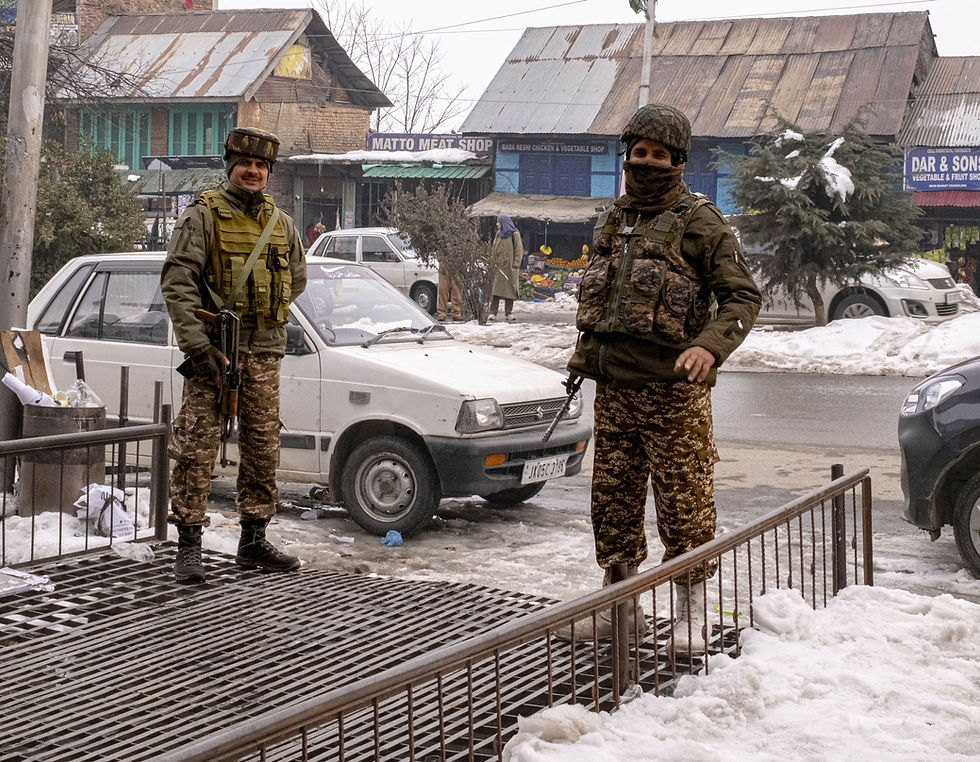
My driver was kind enough to tell me about the history and culture of the Kashmiri people during our travel. It was clear that the people of Kashmir lived a simple life. Predominantly Muslim, they pray five times a day and spend their time either working or with family. While a turbulent history was clearly seen through the strong Indian military presence, the people were friendly and peaceful. Everyone was out on the street shopping and socializing. The stray dogs frolicked in packs, and even a handful of monkeys made their appearance. Eating with my hands and bartering for a local SIM card highlighted the rest of the evening.
I stayed in Tangmarg for a more authentic and local experience. Not unlike Salt Lake City, Tangmarg is home to a large population of local skiers. It is a lively town at the foot of the Himalayas, just twenty minutes from Gulmarg. I rented a room from a retired professional ski guide, who turned out to be a local legend. The accommodations were top-notch: homemade Kashmiri meals, a cozy wood stove, and pleasant company. I could have stayed here forever—my friends, family, and bank account are lucky I came home.
In lieu of skiing for the next few days, I explored Kashmir. A rough preseason required time and patience. I spent this time learning the history and culture of the area. Going on stunning treks, visiting the mosques of Srinagar, and a never-ending teatime consumed my days. Seriously, they are always drinking tea. Most importantly, I spent these days getting to know my guides. I cannot thank them enough for the kindness they showed me and the adventures they brought me. From the deep talks of life and human nature to frolicking in the snow, I was left with a greater understanding of people and the world around me.

After the snow gods blessed us with a day of deep snowfall and avalanche mitigation, the mountain was ready. We had a slow start, reminding me that amenities we take for granted back home are not commonplace here. Finding an iron to wax our skis, acquiring lift tickets, and even getting to the lift were not simple tasks. On the first day, the lifts did not end up spinning till one in the afternoon due to a surprise visit from the prime minister of India, so we got a head start by hiking up the mountain for our first run. After all, nothing good comes easy.
The sharks were out, and they bit hard. While blessed with a huge powder day, the shallow base layer was scattered with a minefield of rocks. I ripped huge powder turns that burned my early-season legs. Like backcountry skiing, reading terrain for obstacles and avalanche danger was crucial. While some dared to explore the dicer lines, we stayed clear. After an exhausting and mind-blowing first day, we retired to Tangmarg for another teatime before hitting the hay.

Following the cold night, the avalanche danger had decreased drastically. Today, we sought bigger lines. A group of heli-ski guides introduced me to the backcountry. Gulmarg comprises a chain of bowls, all accessible through traverses and hiking. Crossing over massive avalanches from the previous days, we reached untouched powder bowls. Keeping the lines interesting by skiing the ridges before dropping in, the playground here was like nothing in the States. With such light skier traffic, the lines were yet to be determined, leaving my creativity firing. Our route finding allowed us to indulge in cliff drops and cheeky bush skiing—nothing I cherish more.
Our group split up. Two more advanced guides took a higher traverse and started to hike. Intrigued, with plenty of gas left in the tank, I followed their lead. A tight traverse, a quick drop, followed by a hike—rinse and repeat. Several bowls later, we reached a new vista. My guide points to a huge peak in the distance. “That is Nanga Parbat, just across the border in Pakistan.”

Our descent rivaled any West Coast run, from the ridge to the bowl to the trees. After we zipped out of the bowl, we had a playful ride through a powder field and were greeted by the forest below. The remainder of the run was through a technical, ungroomed forest. The tight trees were littered with moon-booting logs, rouge rivers, and disguise drops that kept me locked in. After jumping a few sneaky streams and skating on a frozen pond, we skidded into the bottom lot. After an open-to-close, I was cooked. We made our final trek to the village and headed back to town.

Flying home the next day bummed me out, but a week full of adventure and friendship left a lasting impression on me. The kind people of Kashmir and my guides brought light to my life. With one final warm embrace, we parted ways. It blows my mind how something as simple as skiing turns strangers into friends and friends into family. I miss my Kashmiri brothers, but I certainly will be back.


Comments